
Turning evidence into action: how research is shaping the future of rural Wales
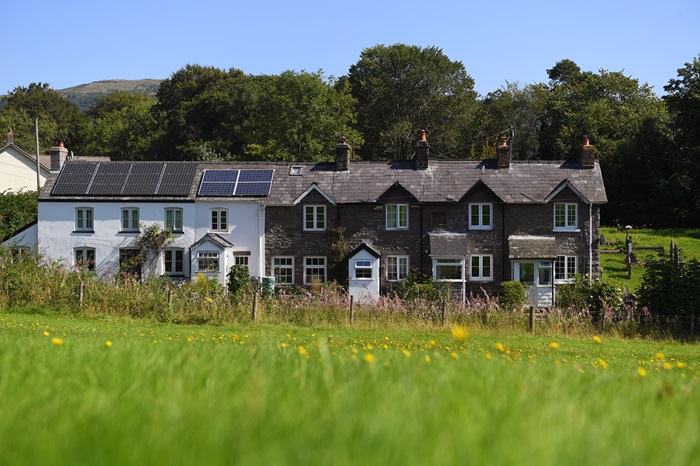
Over a million people — around a third of Wales’ population — live in rural areas that account for more than 80% of the country’s land.
Yet despite their scale and significance, rural communities are too often under-served by policies shaped around urban realities. For policymakers, this raises a fundamental question: how do you design national policies that genuinely work for places where geography, infrastructure, and community life differ so markedly?
For the Rural Wales Local Policy and Innovation Partnership, known as Cymru Wledig LPIP Rural Wales, the answer lies not just in producing research, but in ensuring that research leads to real change.
From research to real-world change
Using evidence to inform policy is nothing new. What sets Cymru Wledig LPIP Rural Wales apart is its focus on ensuring that research does not stop at insight, but translates into action.
Now two years into this three-year UKRI-funded programme, the partnership is demonstrating how a more connected approach — linking researchers, policymakers and communities from the outset — can reshape how rural challenges are understood and addressed. Its work has generated a rich and evolving picture of the social, economic and cultural realities of rural Wales, while ensuring that this knowledge reaches the audiences who can act on it.
At the heart of the programme is a simple but powerful principle: evidence alone is not enough. Change happens when evidence informs decisions.
Embedding impact from the start
Unlike many research initiatives, Cymru Wledig LPIP Rural Wales was designed from the outset with policy engagement at its core. Dedicated staff focus on connecting research with decision-makers, ensuring findings are communicated clearly, strategically, and at the right moments.
This approach remains unusual. A recent review of policy engagement across Welsh universities suggested that Cymru Wledig LPIP Rural Wales may be unique in embedding and resourcing a dedicated policy engagement function from the outset.
The result is a model where research and policy are not separate spheres, but part of the same ongoing conversation — increasing both the relevance of research and its ability to shape outcomes.
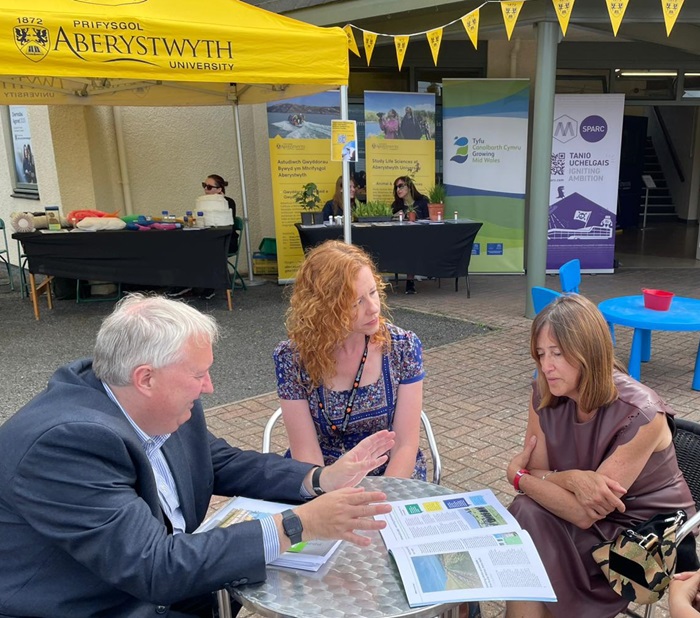
Professor Michael Woods (Director, Cymru Wledig LPIP Rural Wales) and Rhian Curtis (Policy and Engagement Manager, Cymru Wledig LPIP Rural Wales) with Jane Dodds (Leader of the Welsh Liberal Democrats)
Influencing national policy
This approach is already having a measurable impact on policy discussions in Wales.
Cymru Wledig LPIP Rural Wales researchers have contributed to Senedd reports and informed debates in the chamber, including through evidence on strengthening Wales’ food system and processing industry. This work has highlighted how targeted investment in infrastructure, logistics and skills could improve resilience while creating jobs in rural areas.
In January 2026, Cymru Wledig LPIP Rural Wales Director Professor Michael Woods led the development of a manifesto briefing for the six largest political parties ahead of the Senedd elections. Drawing directly on programme research, the document set out 33 practical, evidence-based policy recommendations grounded in the realities of rural life.
The response was immediate. Half of the parties engaged directly with the partnership, while wider outreach ensured the recommendations reached candidates across Wales. As manifestos were published, several proposals appeared as formal election pledges — clear evidence that rural-focused research was shaping political priorities.
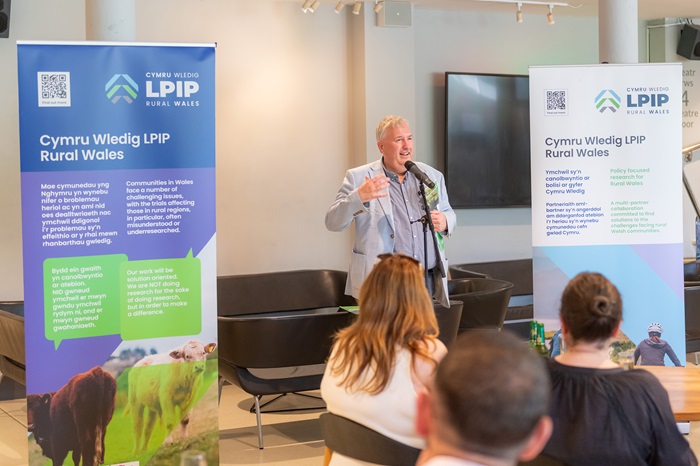
Professor Michael Woods
Turning research into action on the ground
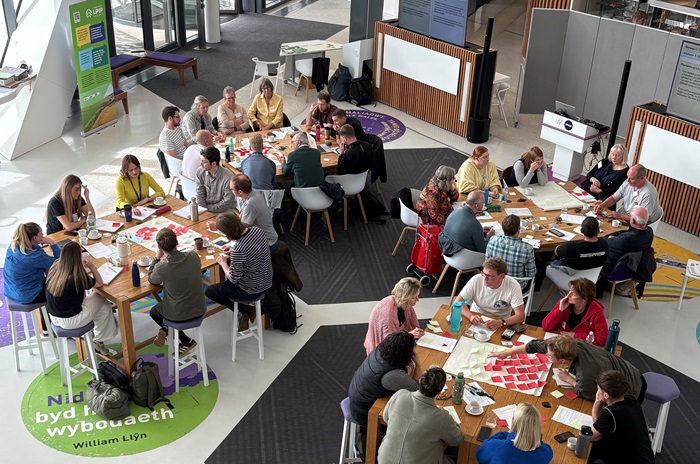
Alongside national policy influence, the partnership is supporting tangible, community-level change through co-designed Innovation Labs and applied research projects. A distinctive feature of Cymru Wledig LPIP Rural Wales has been community-led action research projects, with 11 community groups supported to undertake research on a local concern that they have identified and gather evidence to inform local solutions, guided by an academic mentor and enabled by training.
These initiatives move beyond analysis, using design thinking, collaboration and real-world testing to develop practical solutions that can be scaled and refined over time:
Economic development and local supply chains
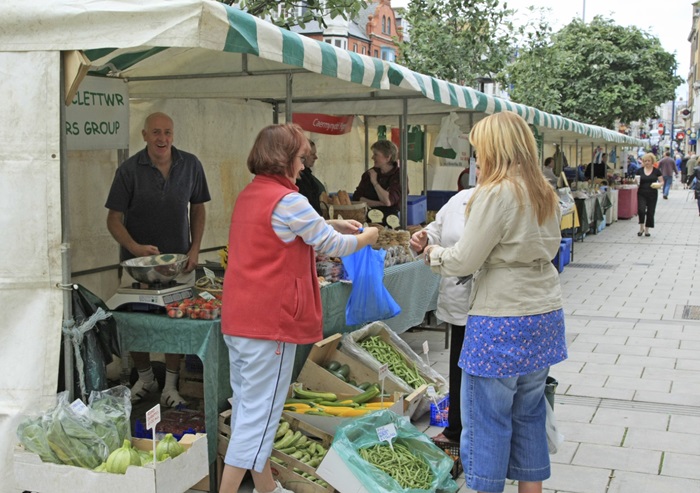
Projects are exploring how to strengthen rural economies by supporting more sustainable and locally connected food systems. This includes work to develop the horticulture sector by bringing together growers, distributors and hospitality businesses to increase the use of Welsh produce — supporting jobs, reducing food miles and improving resilience.
Social wellbeing and inclusion
Other initiatives focus on tackling food access, affordability and isolation by enabling communities to grow, cook and eat together. Work on rural youth mental health, particularly in agricultural communities, combines creative practice with community dialogue to address stigma and ensure rural experiences are better reflected in national conversations.
Infrastructure, housing and sustainability
Research is addressing key structural challenges, including rural housing shortages, construction capacity and the need for sustainable development. Work on “socially necessary transport” brings together providers, policymakers and equality organisations to rethink how mobility systems can better reflect rural realities.
The programme is also exploring future-facing issues, such as the role of artificial intelligence and digital technologies in farming, gathering insights directly from farmers to understand both opportunities and barriers in the transition to net zero agriculture.

Culture and identity
Recognising that rural policy is not only economic, the partnership is also supporting work on cultural heritage. This includes projects capturing traditional knowledge, language and connections to landscape — ensuring that cultural identity is treated as a vital part of rural development.
Together, these initiatives demonstrate how research can move from insight to implementation — building momentum for change while strengthening local capacity.
Extending impact beyond Wales
The reach of this work is already extending far beyond Wales.
Research into perceptions of economic growth in rural market towns has provided clear evidence that one-size-fits-all approaches to development are ineffective — insights that are informing both Welsh policy discussions and that have sparked international interest.
Engagement with UK policymakers has also highlighted long-term structural challenges such as youth outmigration, ensuring that demographic change in rural areas is recognised as a national priority.
This growing interest underscores the broader relevance of Cymru Wledig LPIP Rural Wales’ approach: rural challenges may be place-specific, but many of the lessons are widely applicable.

Cardigan, Ceredigion
Building a lasting legacy
While the programme is still ongoing, its impact is already clear. Cymru Wledig LPIP Rural Wales is helping to ensure that rural voices are heard, understood, and reflected in the decisions that shape their futures.
By bringing together researchers, policymakers, and communities, it is not only generating knowledge — it is building lasting partnerships, strengthening local capacity, and creating a model for how research and policy can work together more effectively.
About Cymru Wledig LPIP Rural Wales
Cymru Wledig LPIP Rural Wales is the Local Policy and Innovation Partnership for Rural Wales, one of five such partnerships across the UK.
It brings together academic researchers, public bodies, third-sector organisations, private partners, and communities to enhance the use of research and innovation in policymaking. The partnership’s goal is to support inclusive, sustainable development and contribute to a wellbeing economy—where economic prosperity is balanced with social wellbeing and environmental resilience across rural Wales.
Further Information
Get in touch
As a University, we’re always keen to share our knowledge and expertise more widely for the benefit of society. If you’d like to find out more or explore how you can collaborate with our researchers, get in touch with our dedicated team of staff in the Department of Research, Business and Innovation. We’d love to hear from you. Just drop an e-mail to: